Showing posts with label Tickell's Blue Flycatcher. Show all posts

15 March, 2015

2015_074_15Mar15_Shivanahalli

Owl | Mottled Wood
Bee-eater | Green
Tailorbird | Common
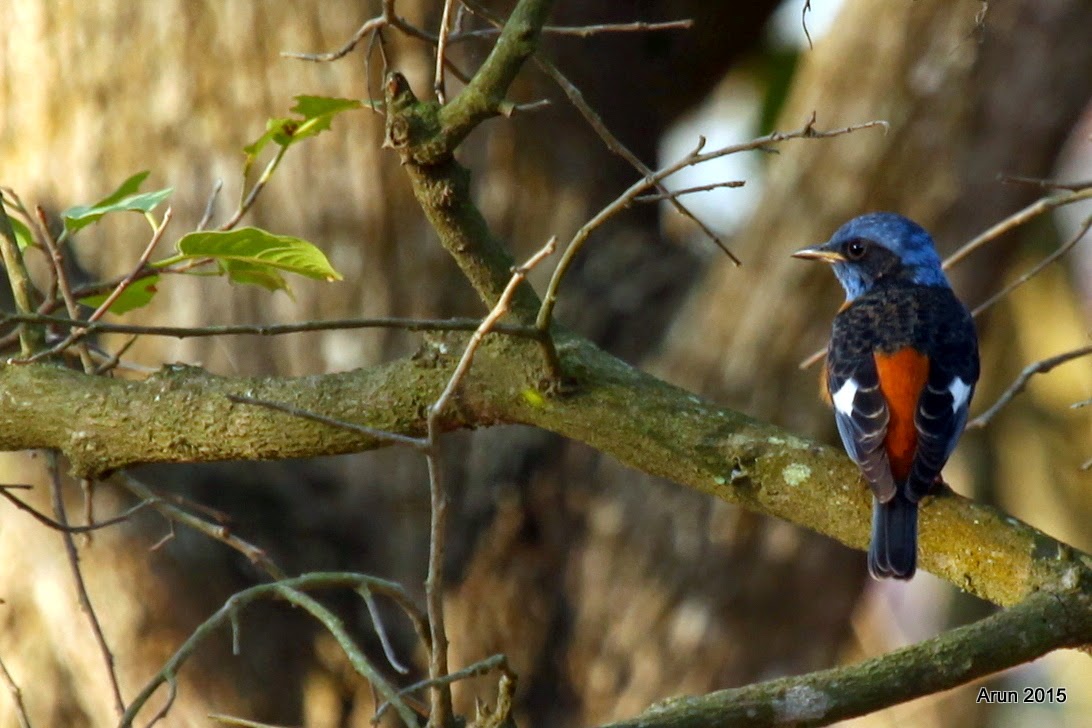
Rock Thrush | Blue-capped
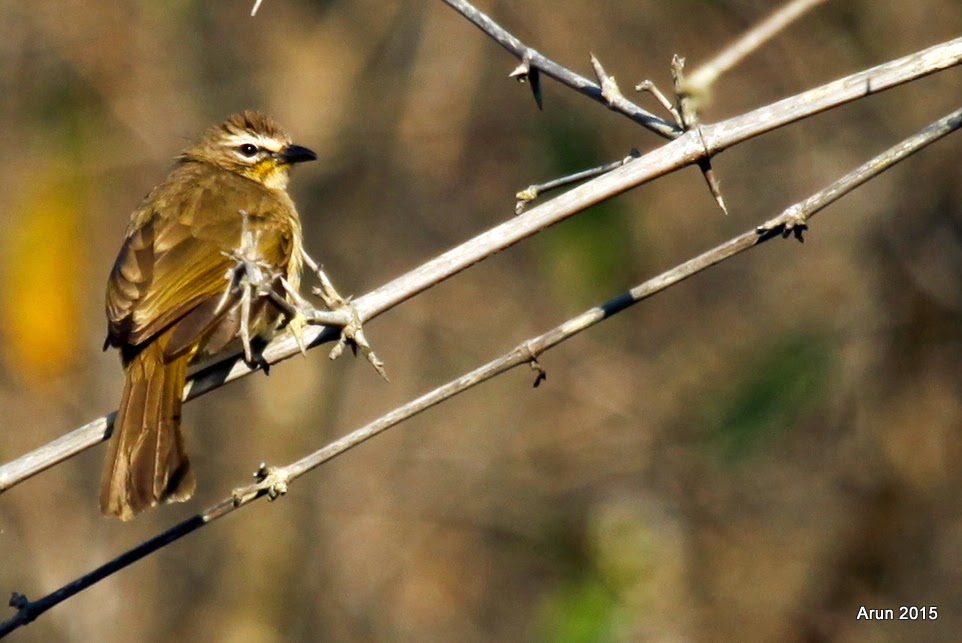
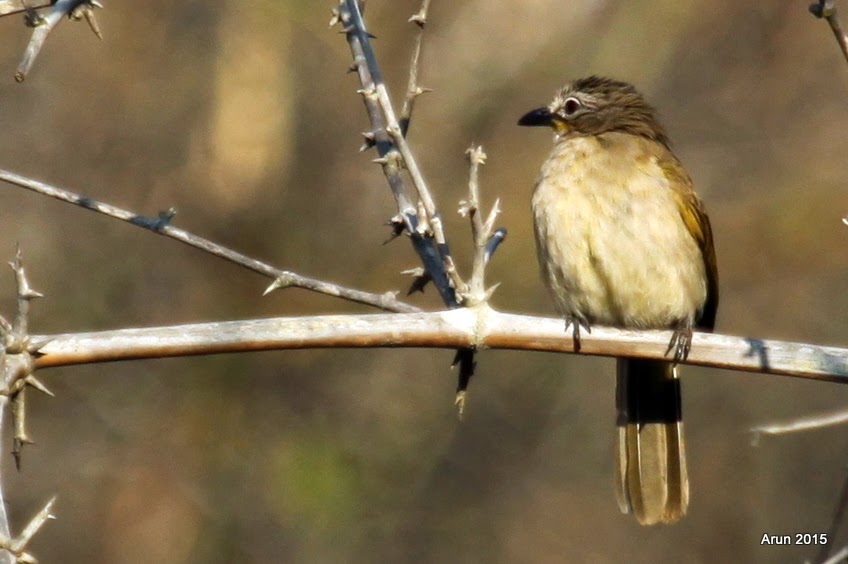
Bulbul | White-browed
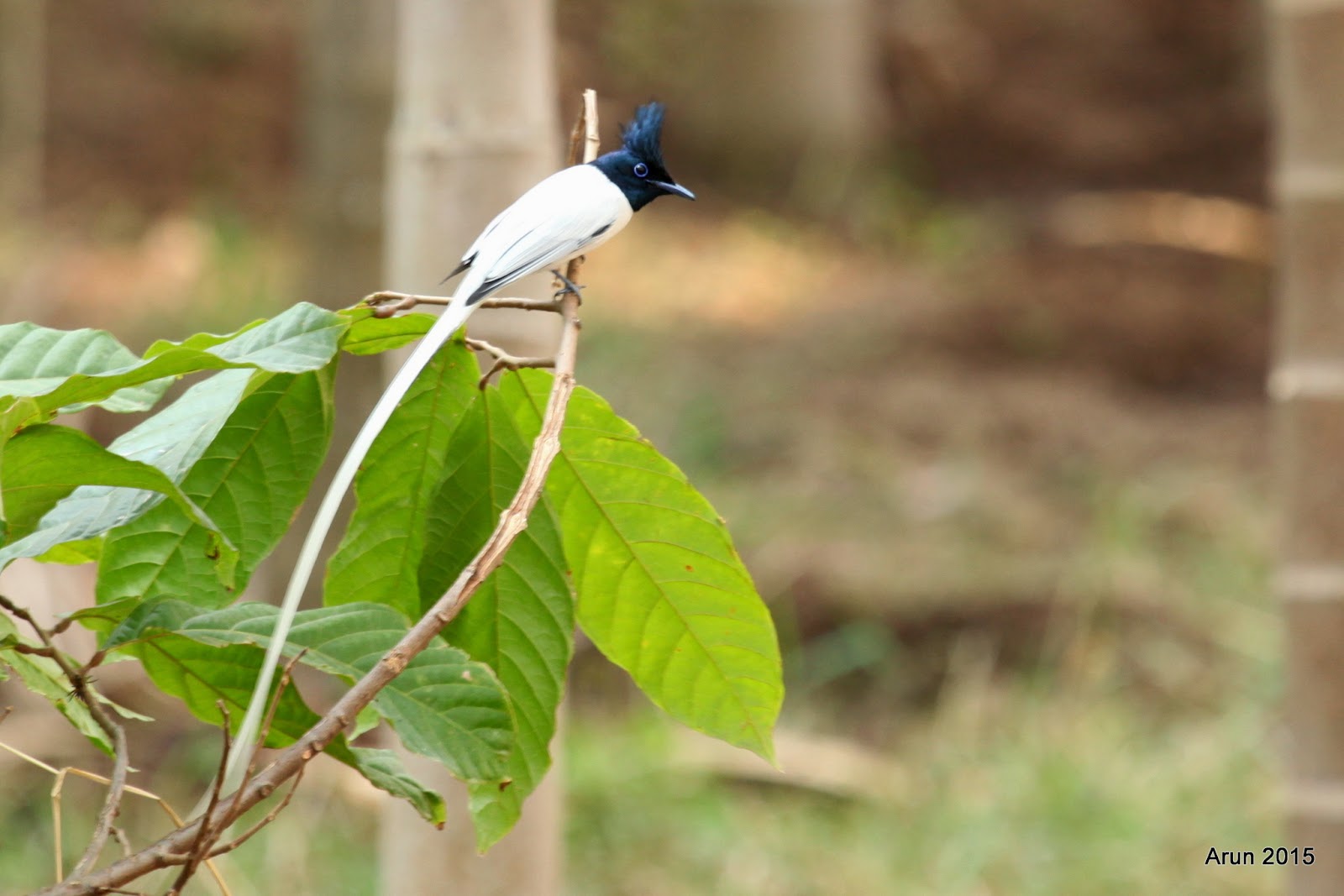
Flycatcher | Asian Paradise - Male
Flycatcher | Tickell's Blue
Flycatcher | Asian Paradise - Female
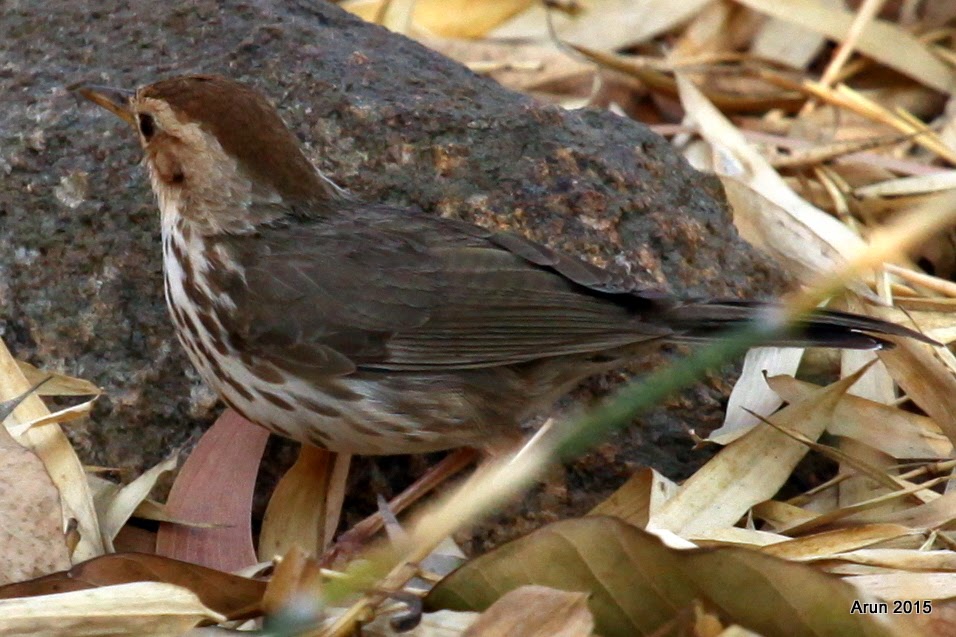
Babbler | Puff-throated
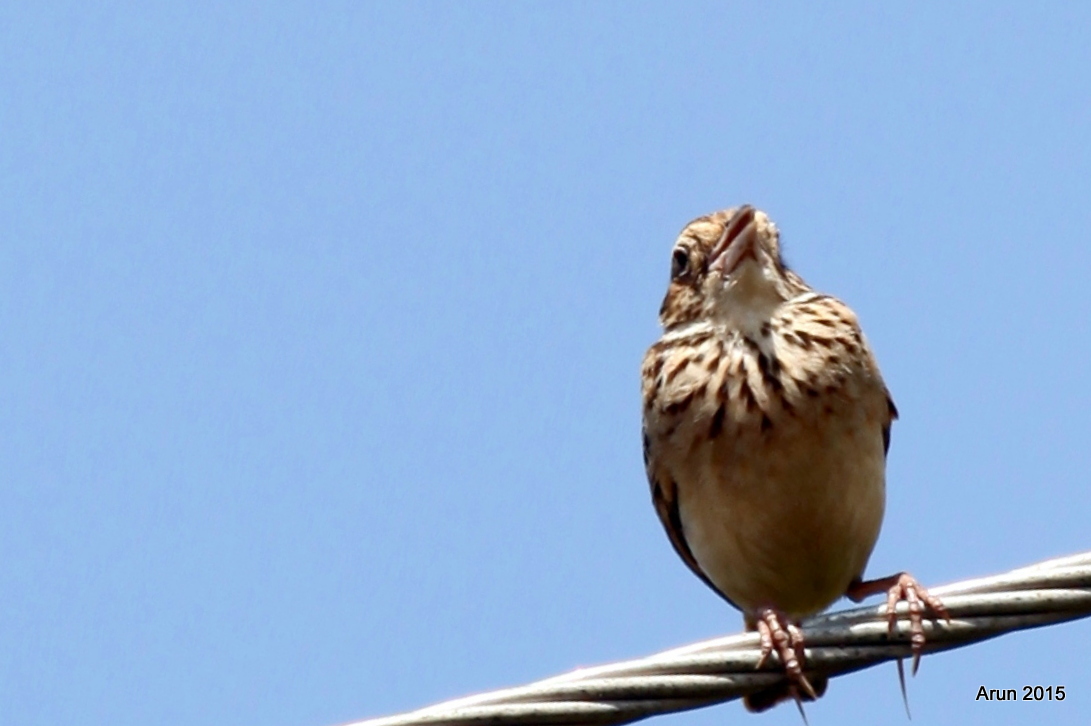
Pipit | Paddyfield
Robin | Indian - Male
Robin | Indian - Female

15 June, 2014

2014 | 166 | 15Jun14 | Shivanahalli

BNG BIRDS - 3rd Sunday Trail @ Shivanahalli
Special thanks to Ms.Geethanjali and BNG birds for arranging such a wonderful birding trail. Adding to it when professionals like Mr.Seshadiri, Mr.Deepak joins, the whole team gets enlightened with tons of information, for me personally I felt amazed to hear about gear systems in carpenter bees, habits of procession ants, evolution of terminalia trees, specialty of sandal woods roots and so on. For a while I though I should have choose botany or Zoology as my major. : ). At the same time, need to thank Ashram and their team for allowing us inside. Thank you again for all your support.
Arun
:: Birds ::
01. Tickell's Blue Flycatcher (Cyornis tickelliae) - Female -  14 cm
ID by  Richard Grimmett : Male from Blue-throated by orange throat. Female has blue-grey cast to upperparts (especially rump and tail), orange breast, and white belly and flanks.
02. Common Tailorbird (Orthotomus sutorius) - Adult - 13 cm
ID by  Richard Grimmett : Has long (slightly down curved) pale bill, rufous forehead and forecrown, greenish upperparts, and dull whitish or buffish underparts. Breeding male has elongated central tail feathers. Juvenile lacks rufous on forecrown. Subspecies in Sri Lanka (e.g. 0. s. sutorius) have darker and greener upperparts and lack supercilium. 
03.  Orange-headed Thrush (Zoothera citrina) - Adult Male - 21 cm
ID by  Richard Grimmett : Adult has orange head and underparts; male with blue-grey mantle, female with olive brown wash to mantle. Juvenile has buffish-orange streaking on upperparts and mottled breast. Shows white banding on underwing in flight. Z. c. cyanotus (peninsula) has vertical black stripes across white ear-coverts, and white throat.
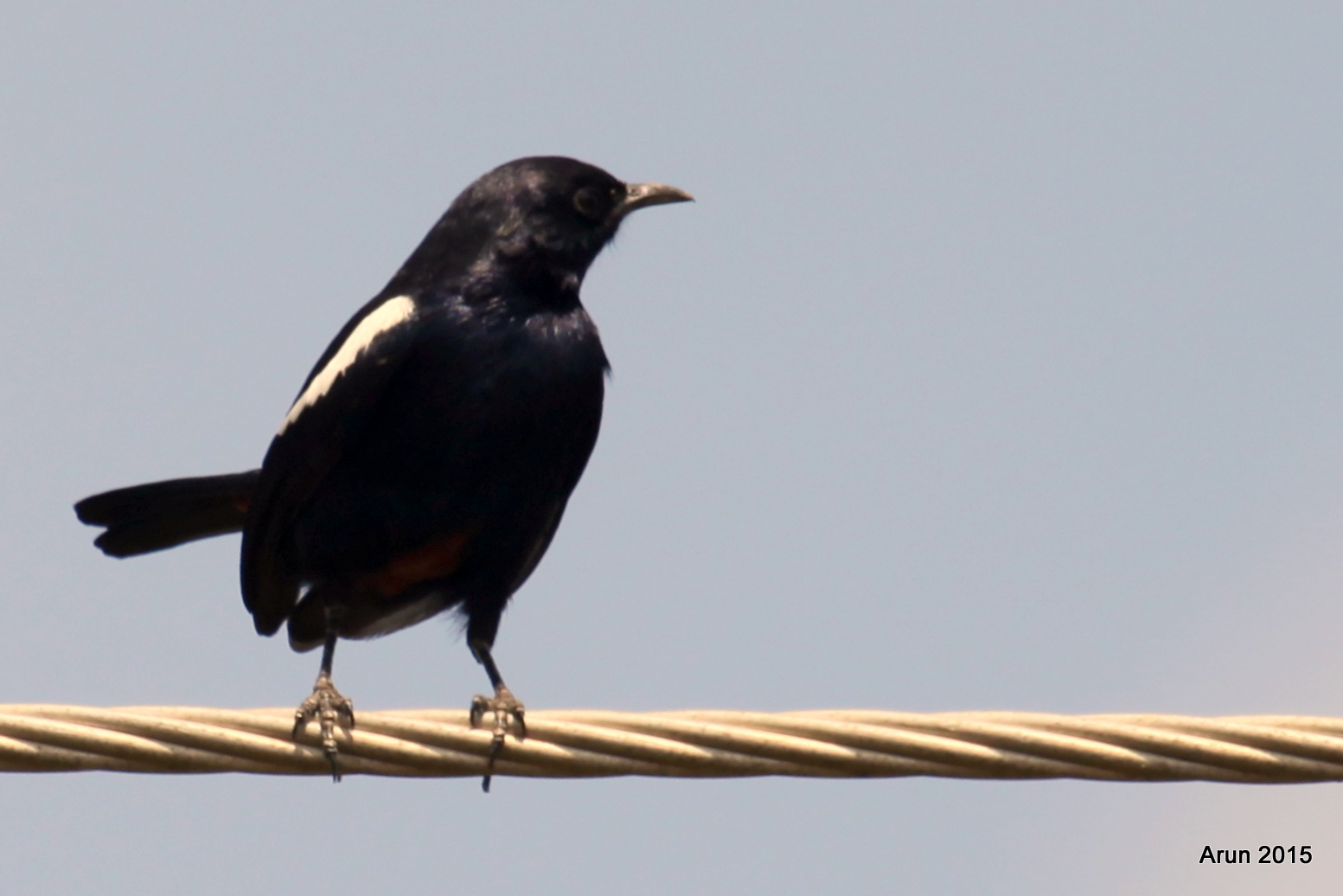
04.  Pied Bushchat (Saxicola caprata) - Female - 12.5-13 cm
ID by  Richard Grimmett : Male is entirely black except for white rump and patch on wing; duller due to rufous fringes to body in non-breeding and First-winter plumages. Female has dark brown upperparts and rufous-brown underparts, with rufous-orange rump. Females in peninsula and Sri Lanka are darker and more prominently streaked than in North.

05.  Green Bee-eater (Merops orientalis) - Juvenile - 16-18 cm
ID by  Richard Grimmett : Small with elongated central tail feathers, blue or green throat with black gorget, variable golden-brown to rufous crown and nape, and green tail. Juvenile has square-ended tail; crown and mantle are green, lacks black gorget, and throat is pale yellowish- or bluish-green. 

:: Insects and other Invertebrates ::
01.  Millipedes (Myriapodous arthropods) - Feeding on fruit - 0.2-35 cm
ID by  Wikipedia: Millipedes have as few as eleven to over one hundred segments. They are generally black or brown in colour, although there are a few brightly coloured species. The millipede's most obvious feature is its large number of legs. Having many short legs makes millipedes rather slow, but the many legs pushing in unison provides powerful strength for burrowing.
02. Chiasmia sp
03. Tailed Jay (Graphium agamemnon) - Matting
Thanks to Mr.Vimal who spotted and showed this lovely couples.

17 May, 2014

2014 | 137 | 17May14 | Valley School


01. Tickell's Blue Flycatcher (Cyornis tickelliae) - Male -  14 cm
ID by  Richard Grimmett : Male from Blue-throated by orange throat. Female has blue-grey cast to  upperparts (especially rump and tail), orange breast, and white belly and flanks.
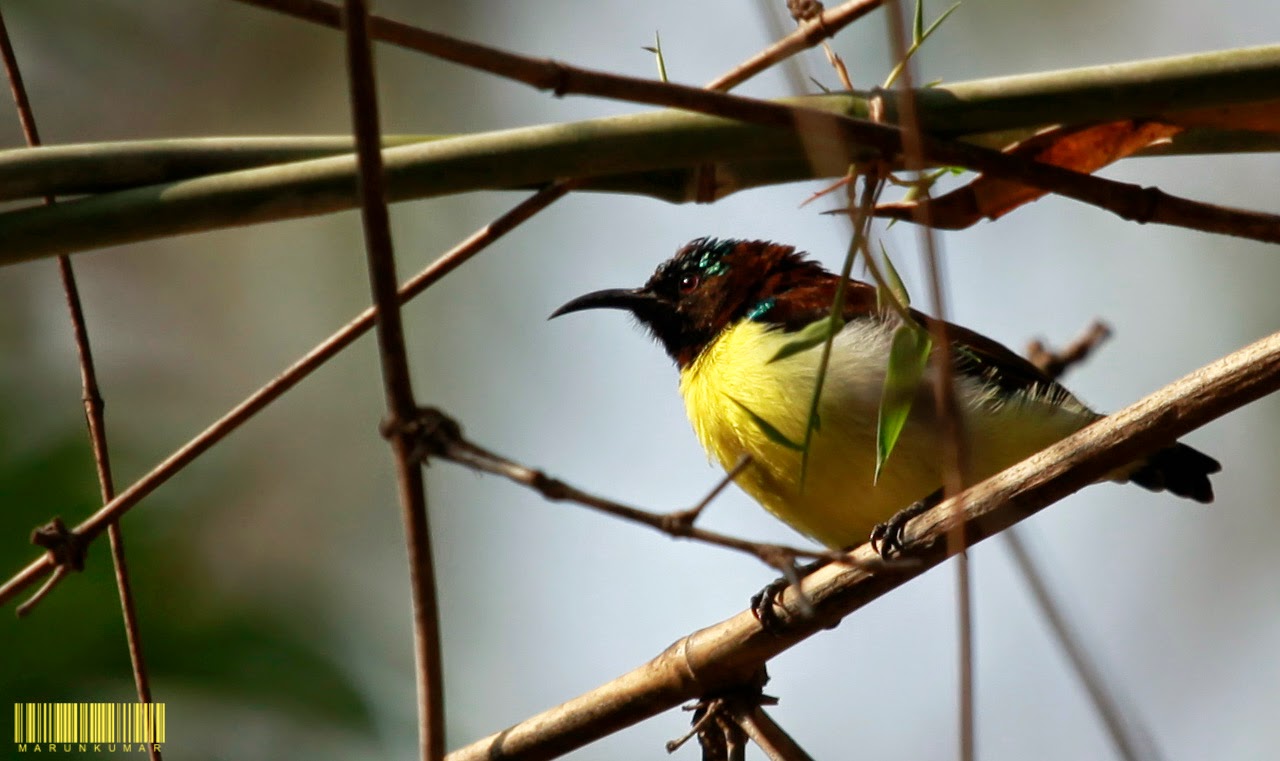
02. Purple-rumped Sunbird (Leptocoma zeylonica) - Male - 14 cm
ID by  Richard Grimmett : Male has narrow maroon breast-band, maroon head sides and mantle, metallic green shoulder patch, and yellow lower breast and belly with distinctive greyish-white flanks. Does not have eclipse plumage.
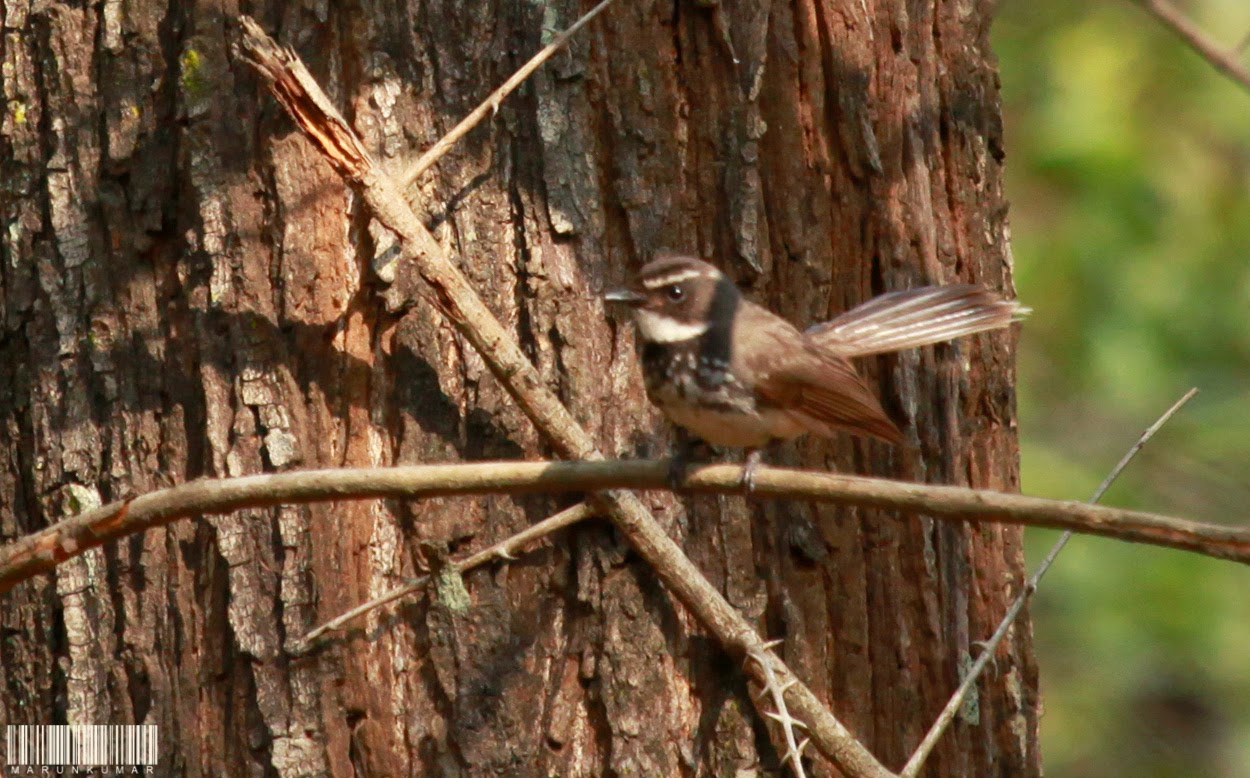
03. White-spotted Fantail (Rhipidura (albicollis) albogularis) - Adult - 19 cm
ID by  Richard Grimmett : From White-browed by narrow white supercilium and white throat, lack of spotting on wing-coverts, white-spotted grey breast, buff belly, and less white in tail. Underparts quite different from White-throated and has longer white supercilium and much less white in tail. Juvenile similar to adult, with rufous spots on wing coverts. Intergrades with White-throated in NE peninsula, where it has a dark grey crown contrasting with olive-brown mantle and unspotted grey breast and flanks.
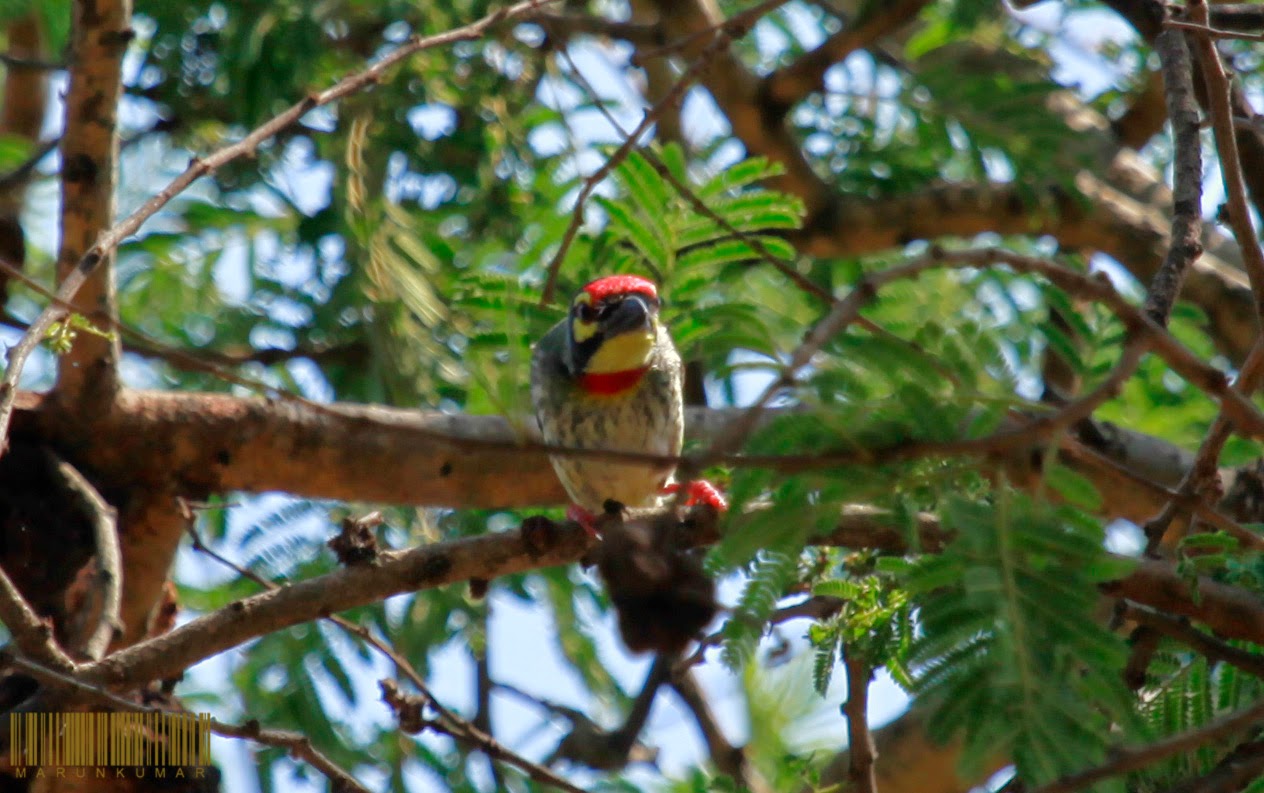
04. Coppersmith Barbet (Megalaima haemacephala) - Adult - 17 cm
ID by  Richard Grimmett : A small, brightly coloured barbet, with crimson forehead and patch on breast, yellow patches above and below eye contrasting with blackish hind crown and sides of head, yellow throat, dark streaking on belly and flanks, and bright red legs and feet. Juvenile lacks red on forehead and breast; has prominent pale yellow patches above and below eye (surrounded by dark olive sides of head and moustachial stripe), whitish throat, olive-green breast-band, and broad olive-green streaking on belly and flanks.
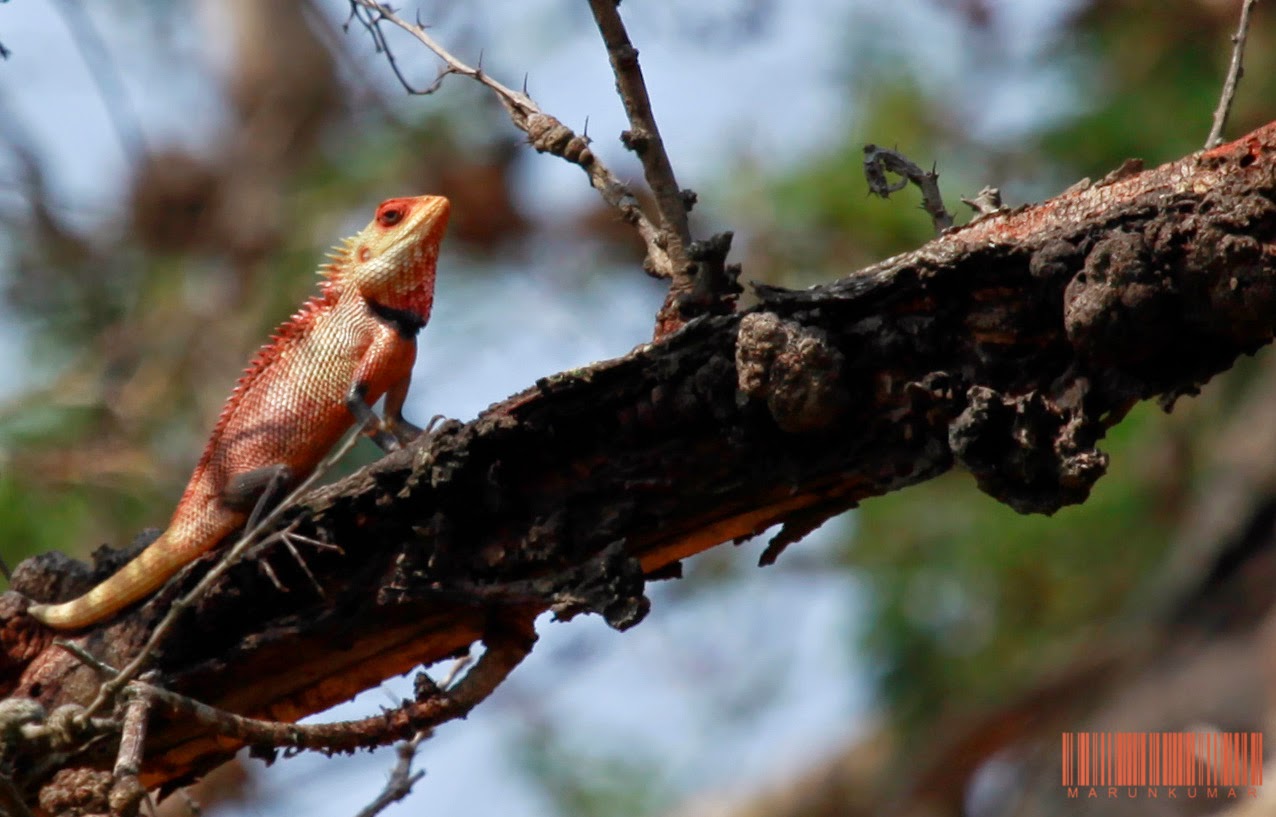
05. Oriental garden lizard  (Calotes versicolor) - Male Breeding- 10 cm
ID by  Wikipedia : Dorsal crest moderately elevated on the neck and anterior part of the trunk, extending on to the root of the tail in large individuals, and gradually disappearing on the middle of the trunk in younger ones. No fold in front of the shoulder, but the scales behind the lower jaw are much smaller than the others; gular sac not developed. sometimes uniform brownish or greyish-olive or yellowish. Generally broad brown bands across the back, interrupted by a yellowish lateral band. Black streaks radiate from the eye, and some of them are continued over the throat, running obliquely backwards, belly frequently with greyish longitudinal stripes, one along the median line being the most distinct; young and half-grown specimens have a dark, black-edged band across the inter-orbital region. The ground-colour is generally a light brownish olive, but the lizard can change it to bright red, to black, and to a mixture of both. This change is sometimes confined to the head, at other times diffused over the whole body and tail. Changeable colours are peculiar to the male during the breeding-season, which falls in the months of May and June. During the breeding season, the male's head and shoulders turns bright orange to crimson and his throat black. Males also turn red-headed after a successful battle with rivals.
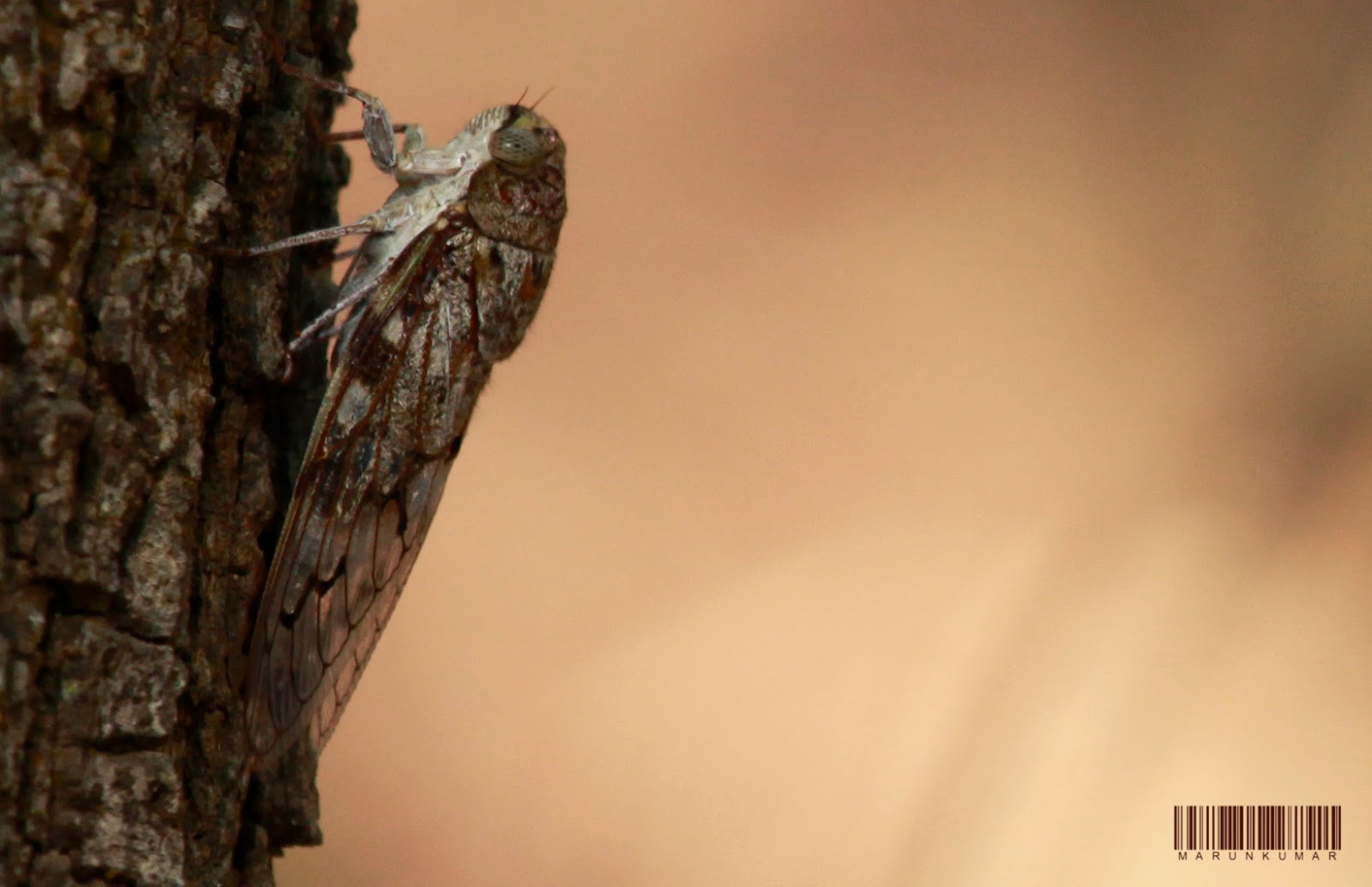
06. Cicada
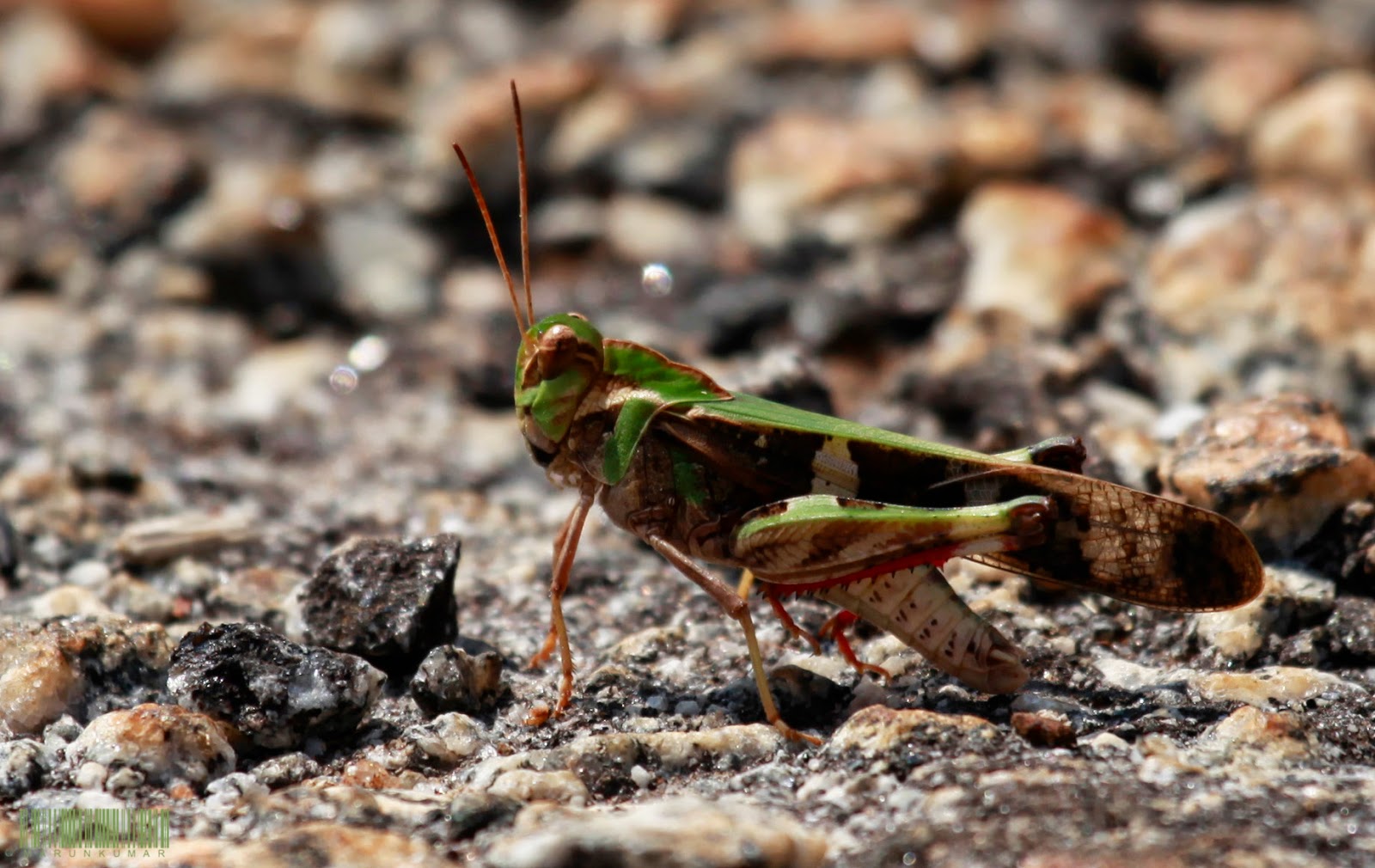
07. Grasshopper

16 October, 2013

2013_289_16Oct13 | Chamundi Hills | Nimishamba Temple | Ranganthittu

             
1. Common Silverline
ID Contribution : http://www.indianaturewatch.net/displayimage.php?id=386458

2. ID ??

3. Lampides Boeticus

4. Tickell's Blue Flycatcher 

5. Emerald damselflies
ID contribute : http://www.natureconservationimaging.com/Pages/nature_conservation_imaging_wetlands_dragonflies.htm

6. Jungle Maina

7. Black headed Ibis